Research, explained
The papers behind modern multimodal search: retrieval, vector indexing, embeddings, segmentation, and personalization: each explained in about a minute, with what it actually means for Mixpeek.
 75s
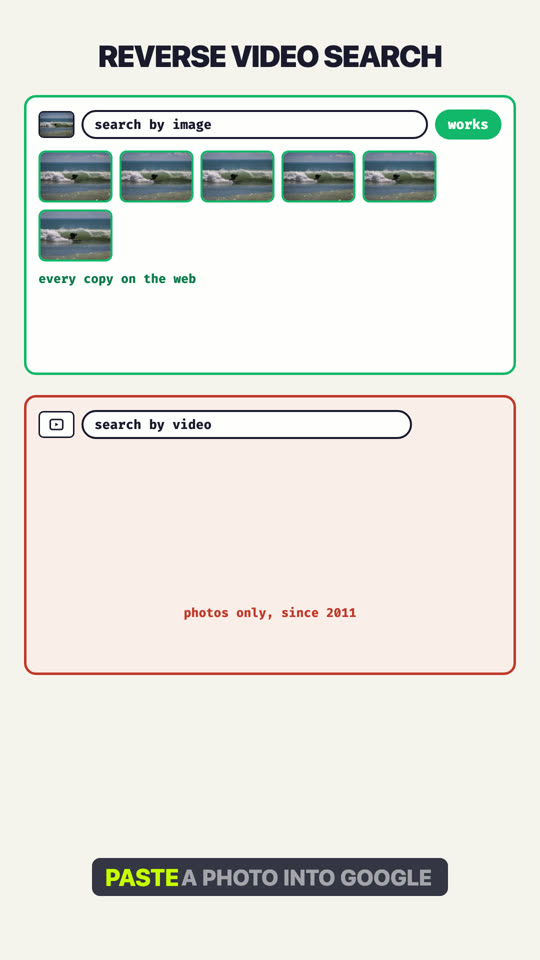
75sHow Reverse Video Search Works: Embeddings, Time, and Copy Detection
Meta's Video Similarity Challenge (VSC23) is the benchmark that defines reverse video search as a research problem: given a query video, detect whether any segment of it was copied from a reference corpus, and localize exactly which segment. It is the reason modern copy detection matches a sequence of per-second descriptors rather than a single whole-video embedding.
 79s
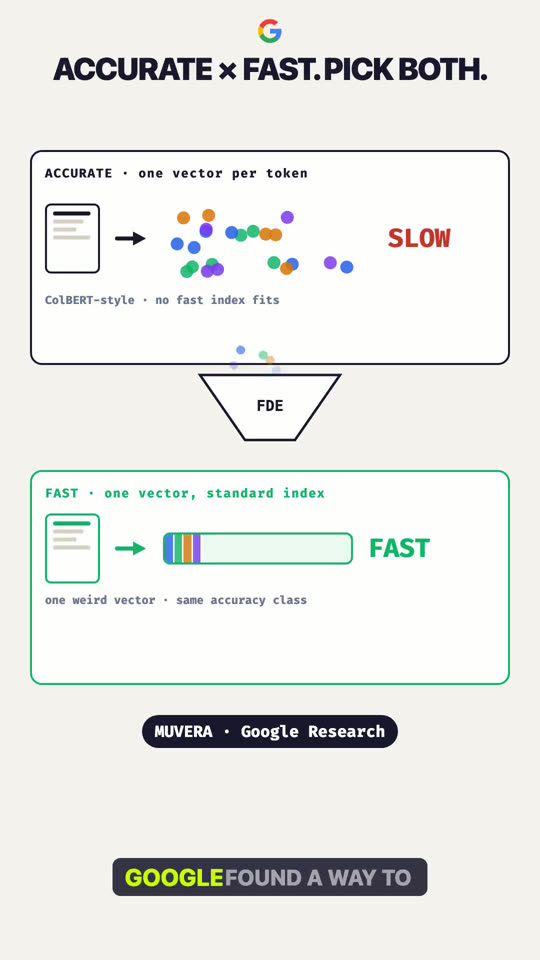
79sGoogle's MUVERA: The One-Vector Trick Behind Fast Multi-Vector Search
MUVERA collapses a multi-vector (ColBERT-style) representation into a single Fixed Dimensional Encoding whose dot product provably approximates the multi-vector score: so late-interaction quality can ride an ordinary single-vector ANN index.
 81s
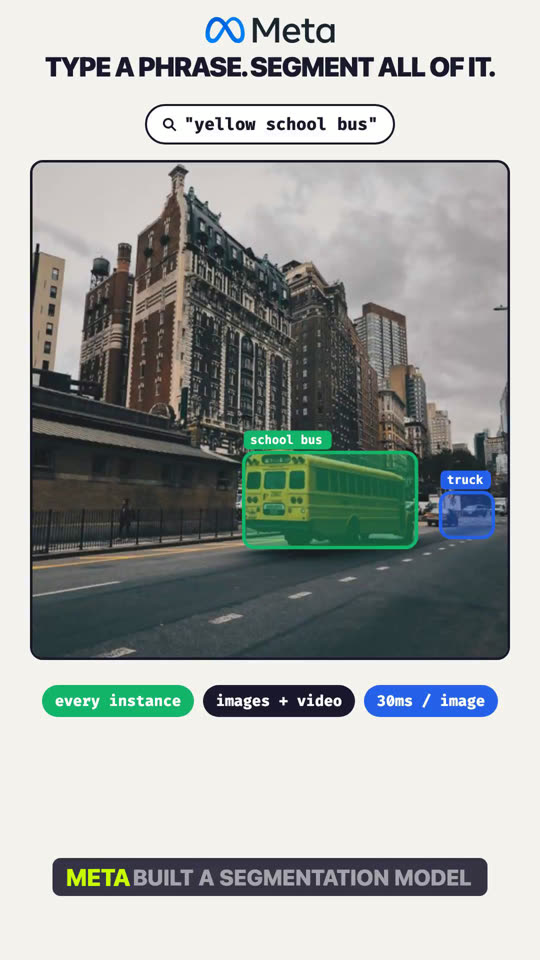
81sMeta's SAM 3: Type a Phrase, Segment Every Instance
SAM 3 introduces promptable concept segmentation: a short noun phrase or exemplar image makes one model detect, segment, and track every instance of that concept across images and video.
 80s
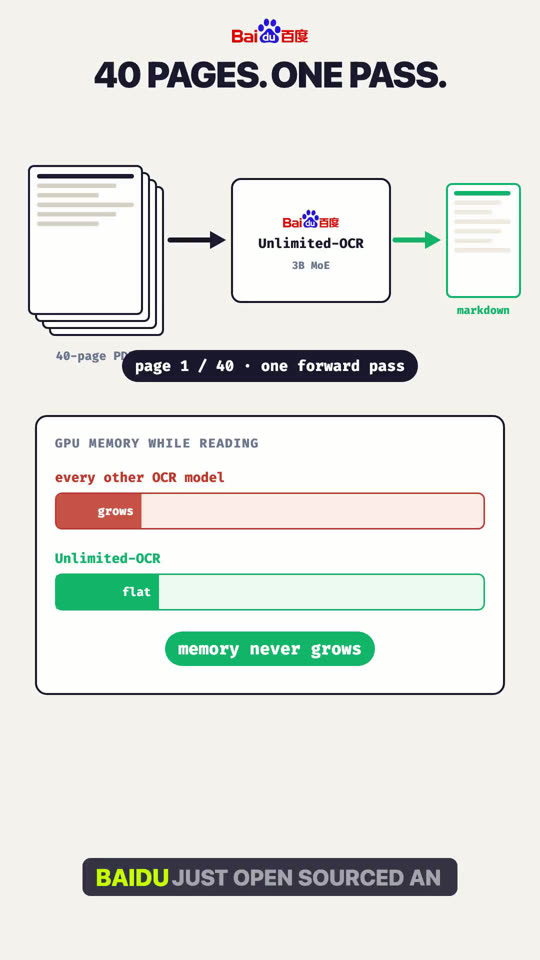
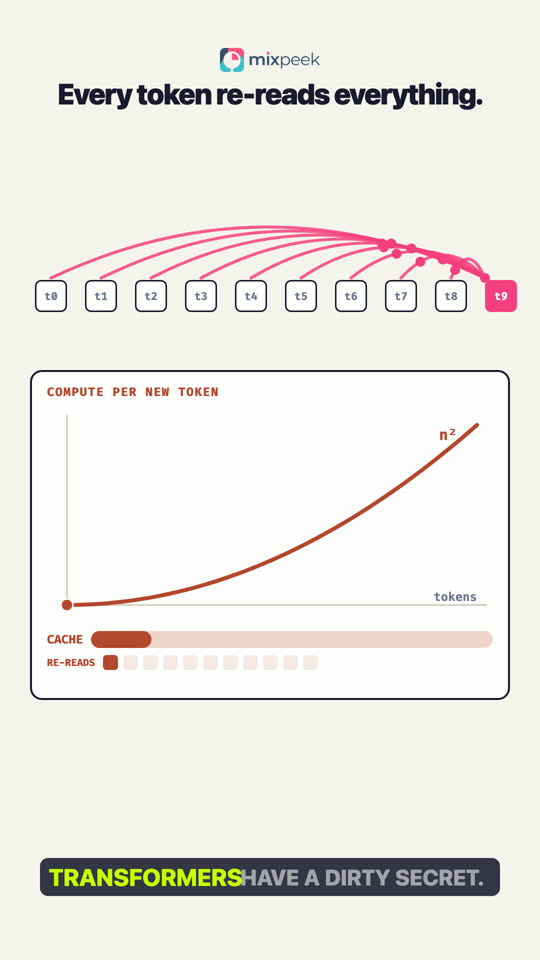
80sBaidu's Unlimited-OCR: The Model Whose Memory Never Grows
Baidu's Unlimited-OCR replaces decoder attention with Reference Sliding Window Attention, turning the KV cache into a fixed-size queue so 40+ page PDFs parse in one forward pass instead of being chopped at page breaks.
 65s
65sMamba Explained: The LLM Architecture With No Attention (5x Faster, Million-Token Context)
Mamba replaces attention with a selective state space model, one fixed-size state updated per token with a learned keep-or-forget decision, reporting linear scaling and 5x Transformer inference throughput with quality holding to million-token sequences.
 76s
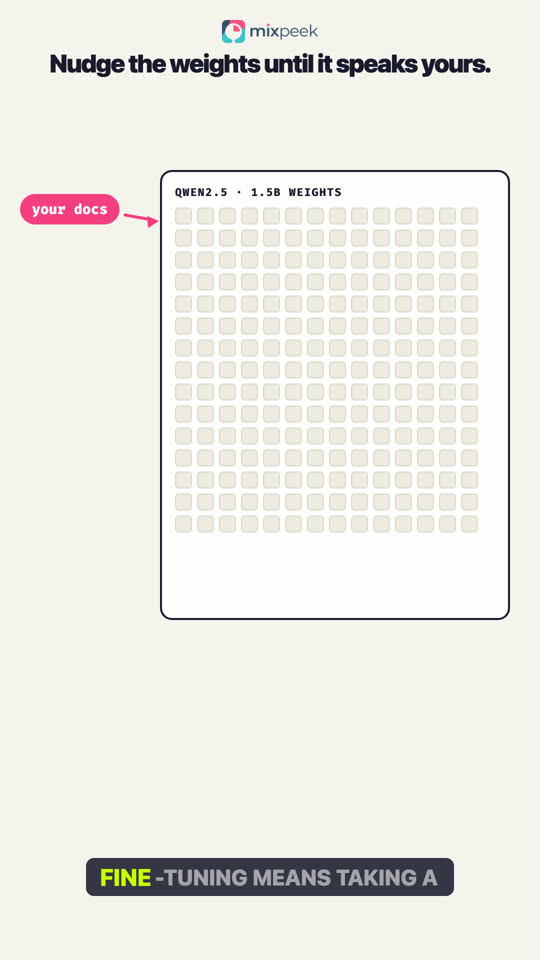
76sLoRA Fine-Tuning Explained on a Real Model: Train 1% of Qwen2.5-1.5B
LoRA freezes the base model and trains a small low-rank adapter beside each weight matrix, roughly 1% of the parameters, merged in afterward with zero added inference latency.
 77s
77sLate Interaction: How ColBERT and ColPali Search Documents as Images
Late interaction keeps one embedding per token (ColBERT) or per image patch (ColPali) and scores query-document pairs with MaxSim, recovering fine-grained matching that single-vector embeddings flatten away: ColPali retrieves documents as images, no OCR.
 61s
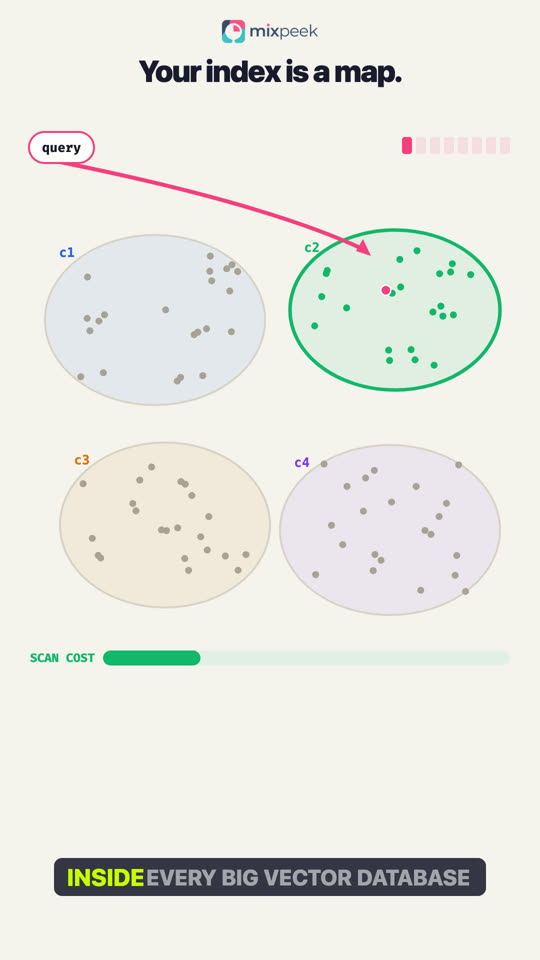
61sCluster with Auctions: The FAISS Team Teaches Vector Indexes to Learn From Queries
Most IVF vector indexes assign queries with the same function that partitioned the data. Cluster with Auctions jointly learns a balanced partition and a neural probing function, reassigning vectors by a large-scale auction while the probe learns the live query distribution.
 106s
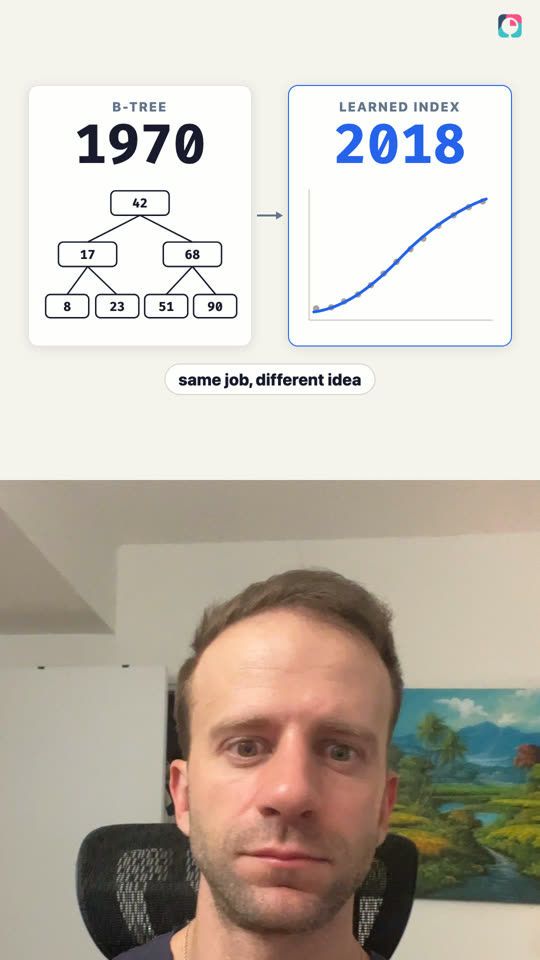
106sLearned Indexes Explained: When a Model Replaces the B-Tree
The classic case for learned index structures: a model that has learned the data distribution can predict where a key lives, replacing B-trees and hash maps with smaller, faster learned models, the idea that seeded a decade of learned-index research.
 74s
74sHow Meta Cut Its Ads Model Serving Cost From 24.6x to 3.9x (HILL, Explained)
Meta's teardown of MoNN (the retrieval model behind Facebook/Instagram ads) plus HILL, the hierarchical index that made it affordable: organizing every item into a learned tree keeps +6.0% recall at 3.9x cost instead of 24.6x.
 87s
87sMeta SiRA: The Retrieval System That Beats Dense Embeddings With Zero Training
SIRA is a learned sparse retrieval approach: instead of a dense embedding, documents and queries expand into weighted term sets, keeping the exact-match precision and inverted-index efficiency of lexical search while learning which terms matter.
 63s
63sHow Apple TV Ranks Search Results From Two Keystrokes (RecSys 2026)
Apple's search-as-you-type system gives every title two embeddings, a text encoder fine-tuned on co-engagement and an ID embedding learned from co-watching, and fuses per-keystroke similarities with boosted trees for +2.99% NDCG@10.
 56s
56sEvoGraph-R1: The Knowledge Graph That Edits Itself (CVPR 2026)
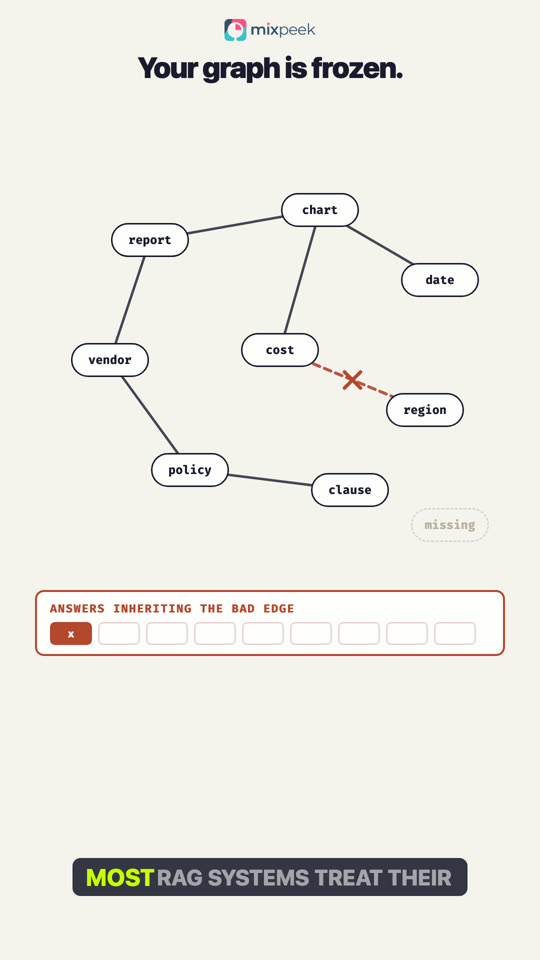
EvoGraph-R1 treats a knowledge graph as a workspace agents edit (retrieve, reason, then write back new nodes, corrected edges, and multimodal hyperedges) so every query leaves the graph slightly smarter.
 63s
63sComposed Image Retrieval With No Vision Model: 44% R@1 Zero-Shot
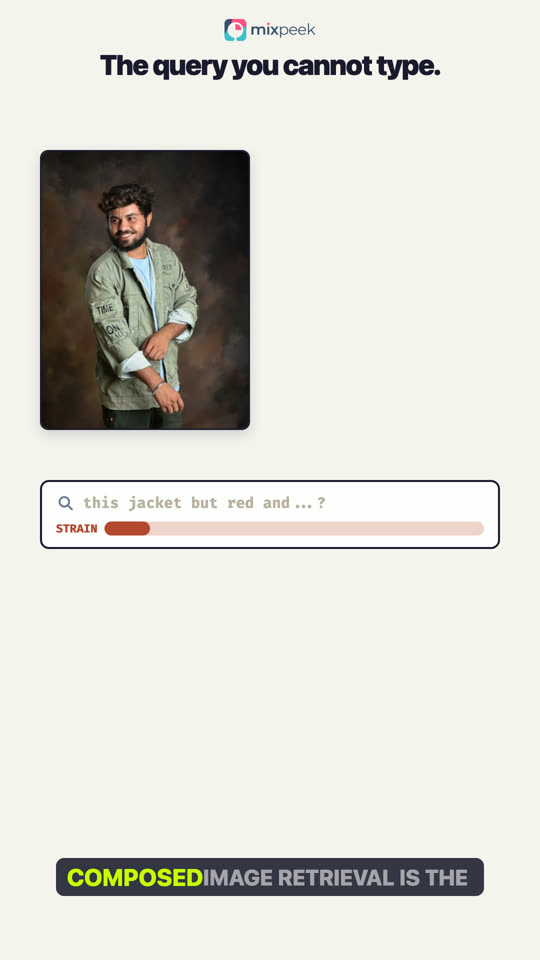
Composed image retrieval ('this jacket, but in red, with a hood') done with images represented purely as text: a caption plus an attribute checklist at ingest, an LLM to merge the modification, plain text retrieval, then an LLM reranker, 44.04% R@1 on CIRR zero-shot.
 68s
68sWhy Fine-Tuning Quietly Breaks Your Embedding Index (and AlphaWiSE's Fix)
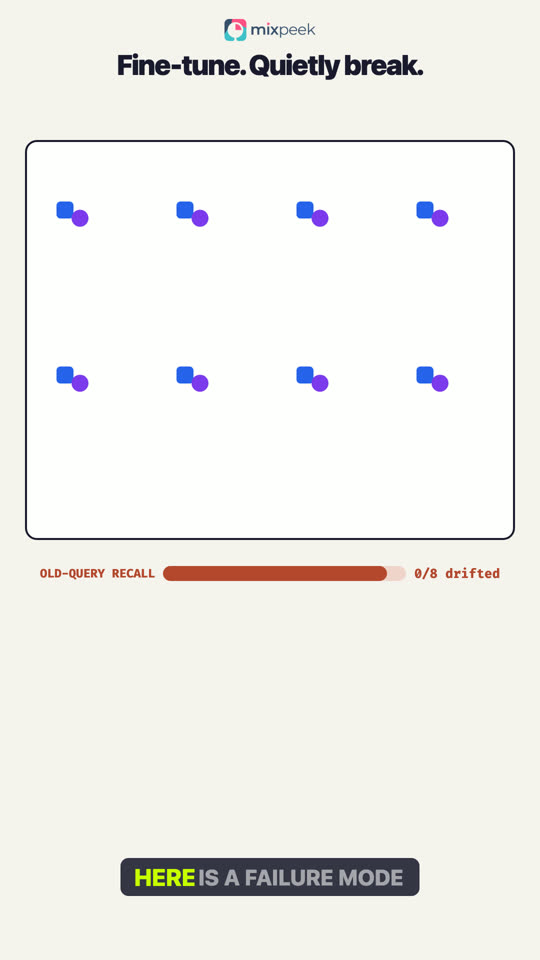
Fine-tune a CLIP-style model and the cross-modal alignment that made old queries work shifts underneath your index: recall erodes with no warning. AlphaWiSE interpolates two frozen checkpoints with one learned coefficient per tensor to keep both, at zero added inference cost.
 87s
87sBrain2Qwerty: What Meta's Brain-to-Text Decoder Actually Does
Brain2qwerty decodes text from non-invasive brain recordings as a person types: a research milestone in reading language from neural signals without implanted electrodes.
 79s
79sTen Minutes of AI Help Made People Worse: The Persistence Study
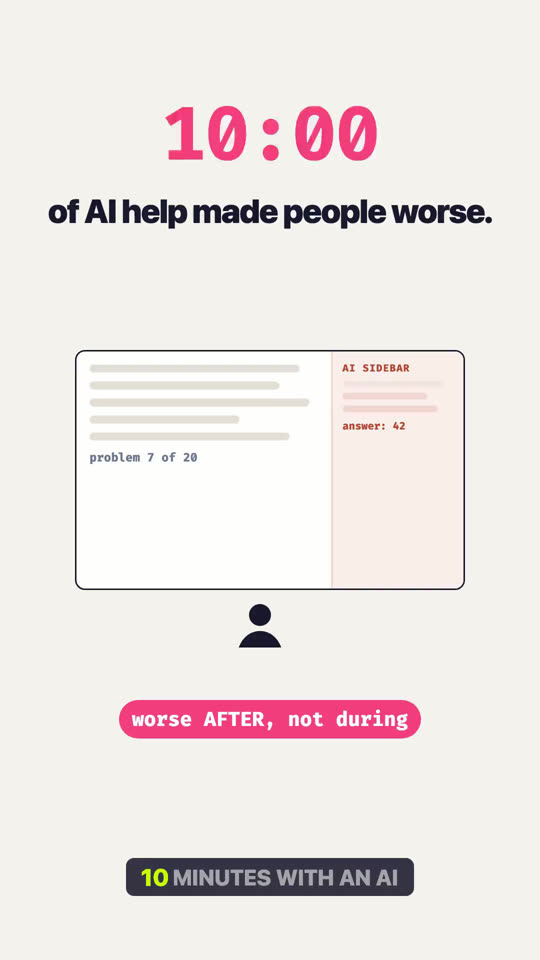
A controlled study found people who leaned on an AI assistant for ten minutes performed worse on their own afterward and gave up on hard problems faster — a caution about assistance that replaces understanding rather than supporting it.